Hit a roadblock while developing your SaaS product? We can restore your momentum.
If your project has stalled and the deadline is looming, we're not interested in whose fault it was. The first useful step is to find out what's worth keeping, because the fastest way through is rarely the one that throws everything away.
Losing momentum can be frustrating when you've worked so hard to earn your traction. Because you've sunk so much time and resource in, changing direction can feel counterintuitive or wrong. To decide your next steps, take the emotion out of it and ask: 'what is it we already have, and what do we need next?'
If your project has stalled or hit a roadblock, we can restore your momentum, starting with a quick call to help you find out your position.
Start with advice on your next steps (30 minutes)
What does a stalled delivery look like?
-
Every bug fix breaks another feature
It can feel start to feel like playing whackamole, as confidence deteriorates.
-
Poorly managed expectations
Promises are still being made that you know won't be kept.
-
Always late or never-ending
With no clear timeline, months have gone by since the original deadline.
-
Communication breakdown
Every review call is full of jargon you don't understand. Is that intentional?
-
Poor transparency
If you feel locked in, or questioning things like code ownership, it's time to sort it out.
If your project has lost momentum, the first task is to take a step back and see what you've already got.

Why do projects stall?
There are plenty of reasons why development might lose momentum.
As projects get more complex, it's perfectly natural for features to take more time. Especially if they have a 'high surface area', meaning a change that affects a lot of different things.
Delays may come from development teams, from your customers, your third-party vendors - or even you and your team! Don't be too quick to cast blame. Approach the situation supportively.
However, some projects stall for worse reasons. Getting strung on and invoiced for more labour is common enough. A few times, we've had to take over from offshore development teams, who simply couldn't communicate requirements effectively enough through middle management and across timezones.
What can you do to get things back on track today?
- 1
Identify the root cause
Find the source of the delay. Don't point fingers until you have the facts. Ask openly if you haven't already - sometimes it's as simple as that.
- 2
Ask: do we need to change plans?
Don't fall victim to sunk cost fallacy. Keep going if its the right choice, but don't let your attachment to what's been lost keep holding you back.
- 3
Gather information: where are we right now?
Knowing what you've already got will tell you what's worth keeping.
- 4
Explore alternatives
If your developers simply can't deliver, have a conversation with someone experienced at turnaround projects. They won't be taking anything over at this stage. They might just point you in a better direction, or offer some friendly advice.
If you're being blocked or steered away from resolving things, it's time to speak to an external resource who can help.
Why do product owners choose Novatura for turnaround projects?
Every system is unique, so our process for every customer is too. Our aim is to provide you with clarity in where you are, and confidence in your next steps, while guiding you through this quickly and carefully.
Once we've got an NDA in place and you've shared relevant materials with us, such as read-only codebase access, we'll arrange a short call to walk through your system. If this is something we can support you with, we'll provide a preliminary roadmap and quote you for an audit. You'll walk away with a report of our findings, and confidence in your next steps.
-
Code Audit
A quick code review will tell us what's worth keeping and inform your next move.
-
Scoping & Roadmapping
Once you've picked a direction, we'll provide you with our plan. No jargon, plain English.
-
Rebuild & Migrate
Only for extreme cases when you're concerned about ownership or malicious intent. You'll come out of this with control restored and a foundation you can keep building on.
Here's the proof; we've helped with this before
Read about the journeys our partners have been on — or take a look at our other case studies
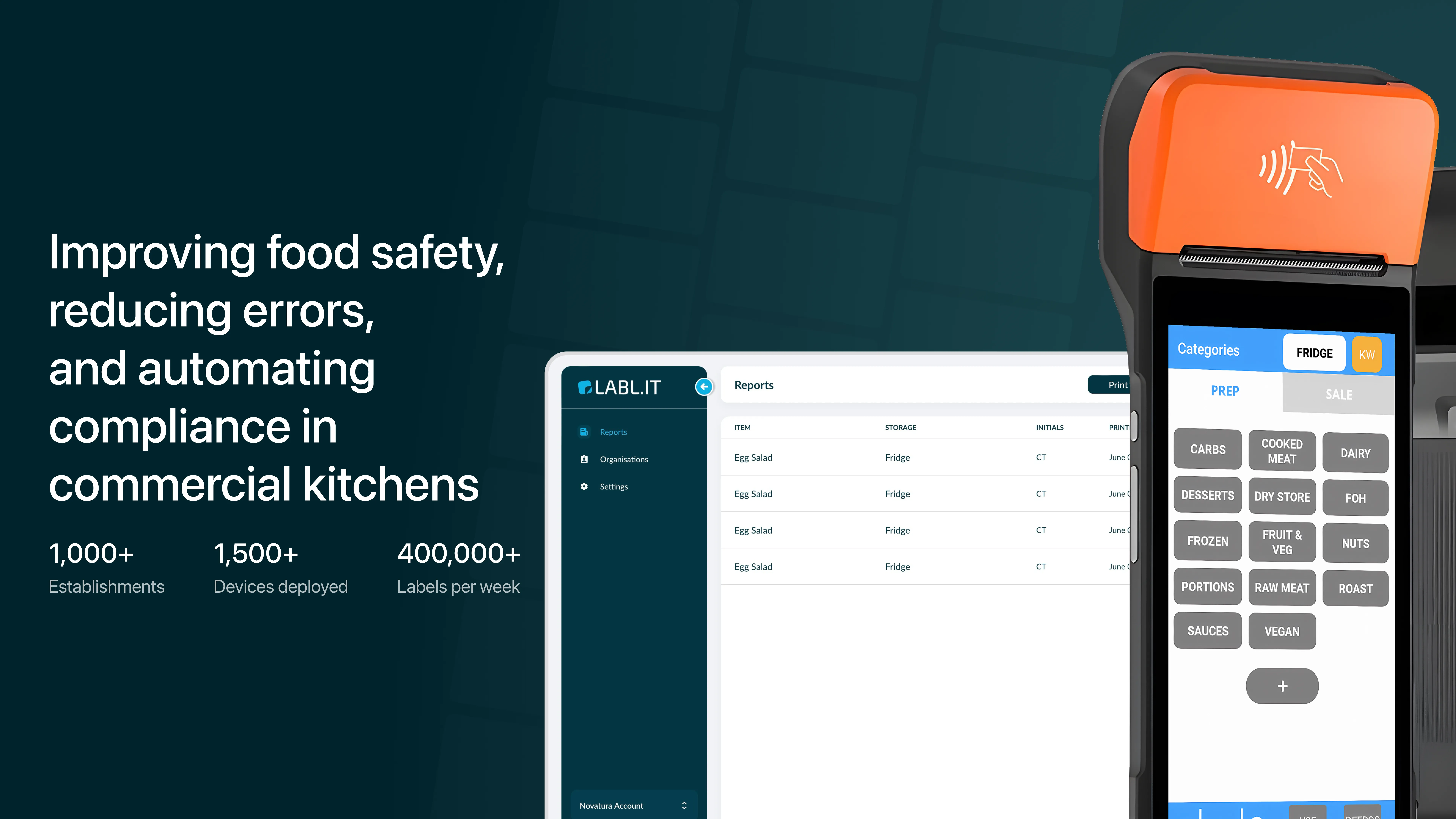
Commercial Kitchen SaaS Product Rebuild
The strategic rebuild that helped Labl.it keep moving forwards.
Read the case study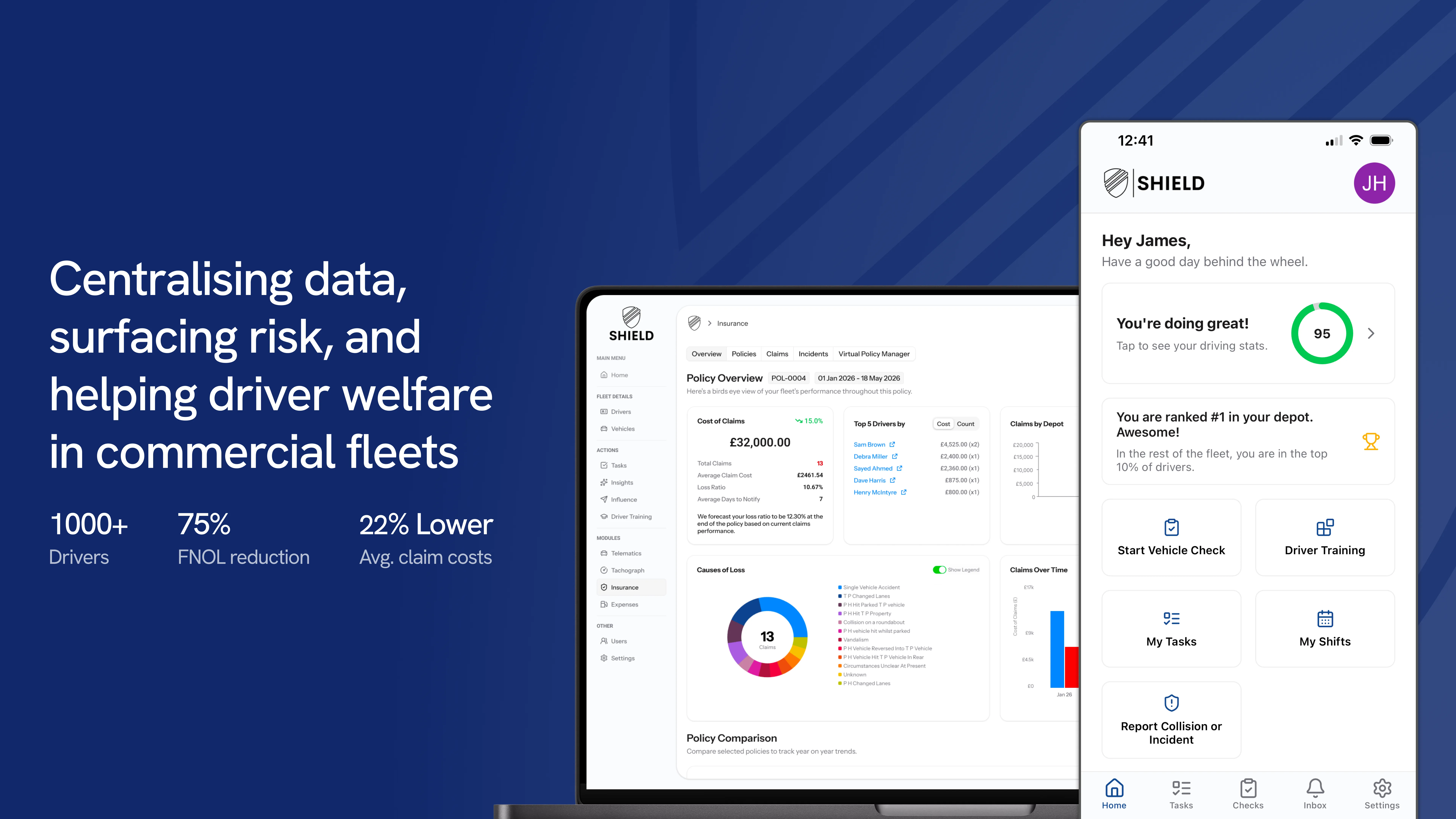
Transport Industry SaaS Product Build
A foundation SHIELD owns, built for the scale their vision demands.
Read the case studyLet's connect
Share a few details and we'll get the ball rolling. You'll hear back from James personally, usually within a few hours.
Frequently asked questions
Here are some of the most common questions we get asked by prospective partners looking to work with us.
Ask us a question How can I trust the findings from your reports?
Take our report to another team, if you like. We've built a reputation as a UK-based team experienced at turnaround projects. Every claim we'll make in our report will be grounded in that experience and industry best practices. We don't need to be the ones who implement our suggestions either, you can present our report to another agency or an internal software team.
Who owns the software and intellectual property rights at the end of a SaaS project?
Ownership and intellectual property rights to the final source code go to you, the client. Since this is your commercial asset, and we profit from the build, it's completely against our morals to retain ownership.
How do we know we won't be locked in to using you?
We understand that sometimes we have to go our separate ways. That's okay. We make sure the systems we create are built to last and kept in a maintainable state. When we hand over to a new supplier or an in-house team, we facilitate a smooth handover and provide migration support - as long as we're not re-hosting the system on their behalf, this is usually done free of charge!
Don't just take our word for it, hear from our clients.
See our latest projectsProjects completed
Repeat clients

Dr Nick Broughton
Ethos Pharmaceutical Ltd.The team at Novatura designed and built our new WordPress site, including a members-only area and events booking system - they provided a great service, working with us to define requirements, iterate on design and deliver the final product. We're thrilled with the results and would highly recommend them to other small businesses looking to launch a new online presence!

Kevin & Dora
Global Security Group LtdNovatura digitised our database, making it more accessible and secure. They also updated our website, making it more appealing and informative for our customers. The team were professional, with a young, innovative approach and individual touch.

Emma Halford-MacLeod
Worshipful Company of IronmongersThe team at Novatura have been absolutely brilliant throughout building our new web platform. We are very pleased and would highly recommend their services.

Ben Peters
Hummingbird Insurance Services LtdWe knew the problem we wanted to solve because we’d lived it ourselves. What we needed was the technical capability to turn that industry knowledge into a platform that could scale with our customers. Novatura challenged our thinking, helped us turn a very broad product vision into something deliverable, and gave us the flexibility to keep developing as customer feedback came in. The relationship has allowed us to stay focused on the commercial and industry side of SHIELD while having a technical team we trust behind the product.

Richard Bird
SHIELDI'm impressed by Novatura's speed and enthusiasm. They don't just take a work item and do what they're told. They make it their own and always take it upon themselves to improve the process or outcome when we're not aware of the full potential or limits of what we're asking for.

Richard Yorston
Storm Auto ServicesNovatura has done plenty of work for us and consistently provide high-quality solutions to our problems. Their continued support has been fantastic as they resolve any issues quickly and effectively, giving me peace of mind while I manage the rest of my business.